
Author: Nimesh

Modern enterprises operate in an environment defined by constant disruption. From digital transformation and changing customer expectations to global economic uncertainty and leadership shortages, businesses must make critical decisions faster than ever before. In such a landscape, leadership continuity can become a significant competitive advantage. However, executive vacancies,...

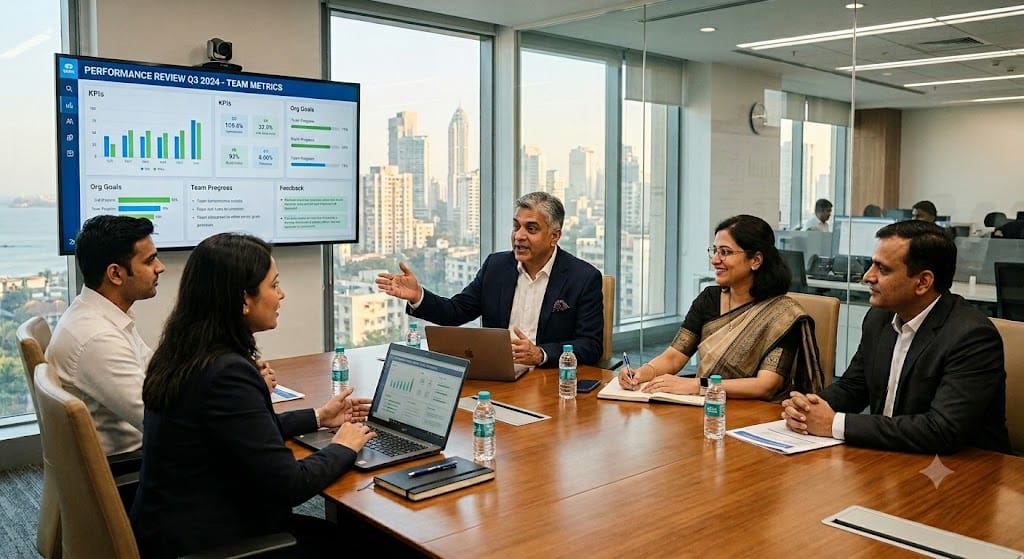
Accountability is often cited as one of the defining characteristics of high-performing organisations. Yet many businesses struggle to create a culture where employees consistently take ownership of outcomes, collaborate effectively, and remain aligned with organisational goals. The challenge is rarely a lack of talent. More often,...

How Deliberate Visibility Builds Trust, Attracts Talent, and Drives Commercial Outcomes at the C-suite LevelC-suite personal branding is the deliberate articulation and demonstration of what an executive stands for as a leader — their values, judgment, track record, and distinctive edge — communicated consistently across channels they...

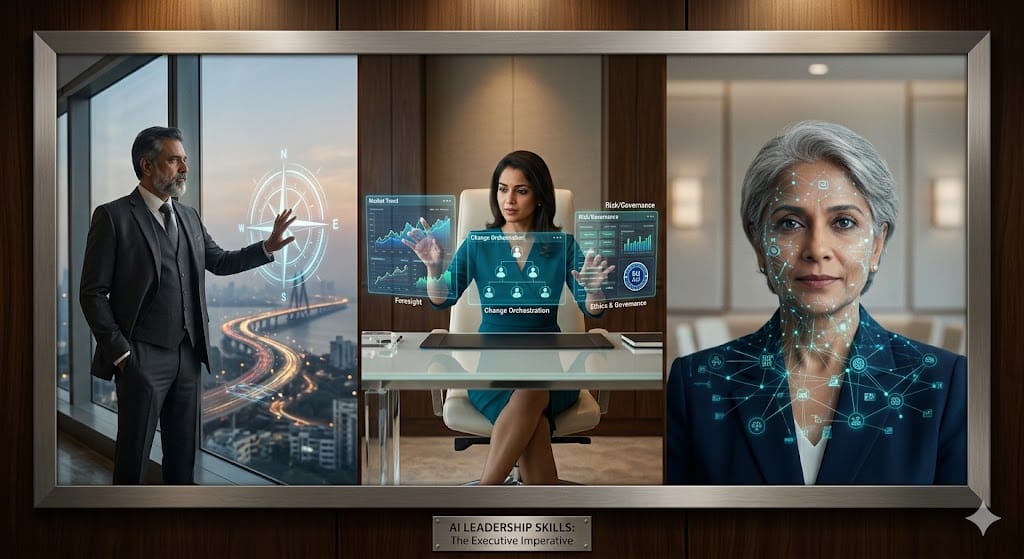
AI leadership skills are the executive competencies that connect intelligent systems to business value — enabling leaders to make better decisions, build more capable organisations, and govern AI responsibly across the enterprise. They are also, as of 2026, the single biggest skill gap in the C-suite. Digital and emerging technologies rose seven places to become the number one perceived development gap among executives globally, according to LHH's...

Corporate governance is often judged by outcomes—financial performance, risk management, regulatory compliance, and shareholder value creation. However, behind these outcomes lies a critical factor that receives far less scrutiny: the effectiveness of the board itself. Boards are expected to oversee increasingly complex organisations while addressing emerging...

A Chief Human Resources Officer (CHRO) is the senior-most executive responsible for an organisation's people strategy — spanning talent acquisition, culture, workforce development, succession planning, and increasingly, enterprise-wide transformation in the age of AI. The role has always been important. In 2026, it is arguably the most complex and contested seat...

C-suite transformation refers to the deliberate redesign of an organisation's senior executive structure, capabilities, and operating model — to align leadership with where the business needs to go, not where it has been. In 2026, this is one of the fastest-growing areas of strategic investment globally. Global...

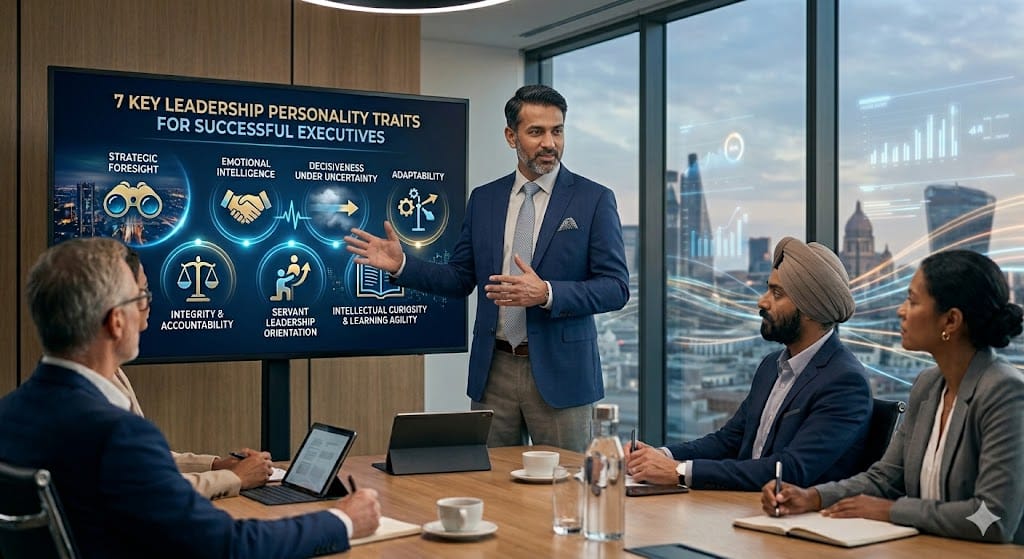
Leadership personality traits are the consistent behavioural and psychological characteristics that enable executives to perform effectively under pressure, build high-performing teams, and deliver sustained organisational outcomes. Technical expertise gets leaders to the C-suite. Personality — how they think, adapt, relate, and decide — determines what they do once they're there. The research on this...

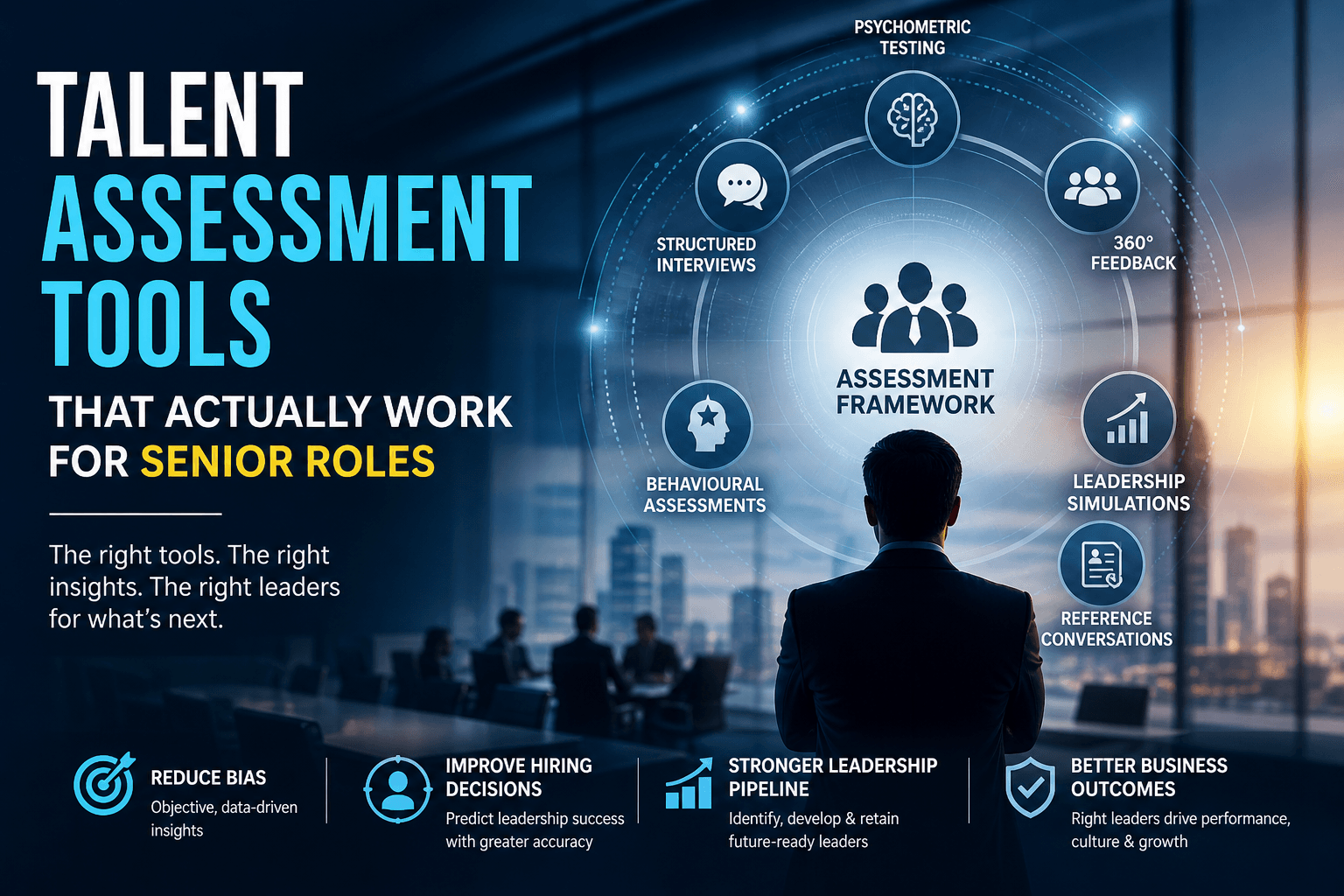
Identifying the right succession candidates is only half the challenge. Evaluating them with rigour and objectivity is the other — and it is where most organisations fall short, even for executive search firms in india that operate at the highest levels of leadership hiring. Earlier in this series, we covered how...

WhatsApp
Enquire Now